If you need financing to start or expand a small business, loan programs through the U.S. Small Business Administration (SBA) may be worth exploring. These loans often offer lower down payments, interest rates and borrowing fees, along with more flexible application requirements than some traditional financing.
However, it is important to review the details carefully, as SBA loans may restrict how borrowers can use the funds. Here is a quick overview of some of the more popular programs.

Certain SBA loans also come with counseling and education, which can be particularly valuable if you’re a first-time business owner.
Borrowing basics
The SBA guarantees, but does not actually make, its loans. To obtain an SBA loan, you will work with a bank, community development organization or other financial institution.
Your business generally will need to meet a few criteria to qualify. For example, you generally must operate for profit in the United States or its possessions, and you must have tried to use other financial resources (including your own assets) before applying for a loan. Your business also may need to meet specific income or size criteria. And some types of businesses, such as lenders and life insurance companies, generally are not eligible.
Although you will negotiate your loan’s interest rate with your lender, it can not exceed maximums established by the SBA. Rates are calculated from a base rate, such as the prime rate (what commercial banks charge their most creditworthy corporate customers), plus a markup. The markup depends on factors such as loan size, repayment terms and your business’s financial profile. Lenders can also charge fees — for example, packaging and legal service fees, as well as out-of-pocket expenses.
7(a) program
The SBA’s most popular offering is the 7(a) loan program. Fixed- and variable-rate loans of up to $5 million are available and can be used to buy real estate, buildings, equipment and furniture, and to refinance existing debt, among other uses. The SBA guarantees 85% of loan amounts up to $150,000 and 75% of loan amounts greater than that.
To qualify for a 7(a) loan, your business must fall within the SBA’s size standards. In general, this means your business is considered “small” within its industry. Depending on the industry, this may be expressed by either the number of employees or your annual revenue. You will typically repay the loan in monthly payments of principal and interest.
The SBA also has a 7(a) Working Capital Pilot program designed for growing smaller businesses. Loans are in the form of monitored lines of credit. Borrowers and their lenders receive one-on-one counseling with the SBA’s subject-matter experts.
504 program
The 504 loan program provides long-term, fixed-rate loans designed to help borrowers purchase major assets that help promote business growth and job creation. The maximum loan amount is $5.5 million. Your business should be able to repay the loan from projected operating cash flows, generally over a 10-, 20- or 25-year period.
Again, you will need to meet a few requirements to qualify for a 504 loan. Among them, your business’s tangible net worth must be less than $20 million, and its after-tax net income must have been less than $6.5 million during the preceding two years. 504 loans are available only through Certified Development Companies.
Microloan program
The microloan program is designed to help small businesses and qualified nonprofit child care centers establish operations and grow. The maximum microloan amount is only $50,000. However, the average microloan is for much less — $13,000. You can use these funds for everything from working capital to inventory to equipment purchases.
Interest rates depend on intermediary lenders (certain community-based nonprofit organizations), but they’re usually in the 8% to 13% range. The maximum repayment term allowed by the SBA is seven years.
How to apply
Most lenders ask for extensive information before they will lend a business money, and the SBA is no exception. For instance, to apply for a 7(a) loan, you’ll generally need to supply a current income statement, balance sheet and cash flow projection.
In some cases, you will also need to provide a personal financial statement. Owners with at least a 20% stake in the business may need to sign a personal guarantee. In addition, larger loans usually require some form of collateral.
Get guidance
The SBA’s website can help you through the process of selecting the most appropriate loan program for your situation — or contact your Rudler, PSC advisor for help. We can advise you on best practices when borrowing money, including calculating how much your business needs and how you will repay your loan.
RUDLER, PSC CPAs and Business Advisors
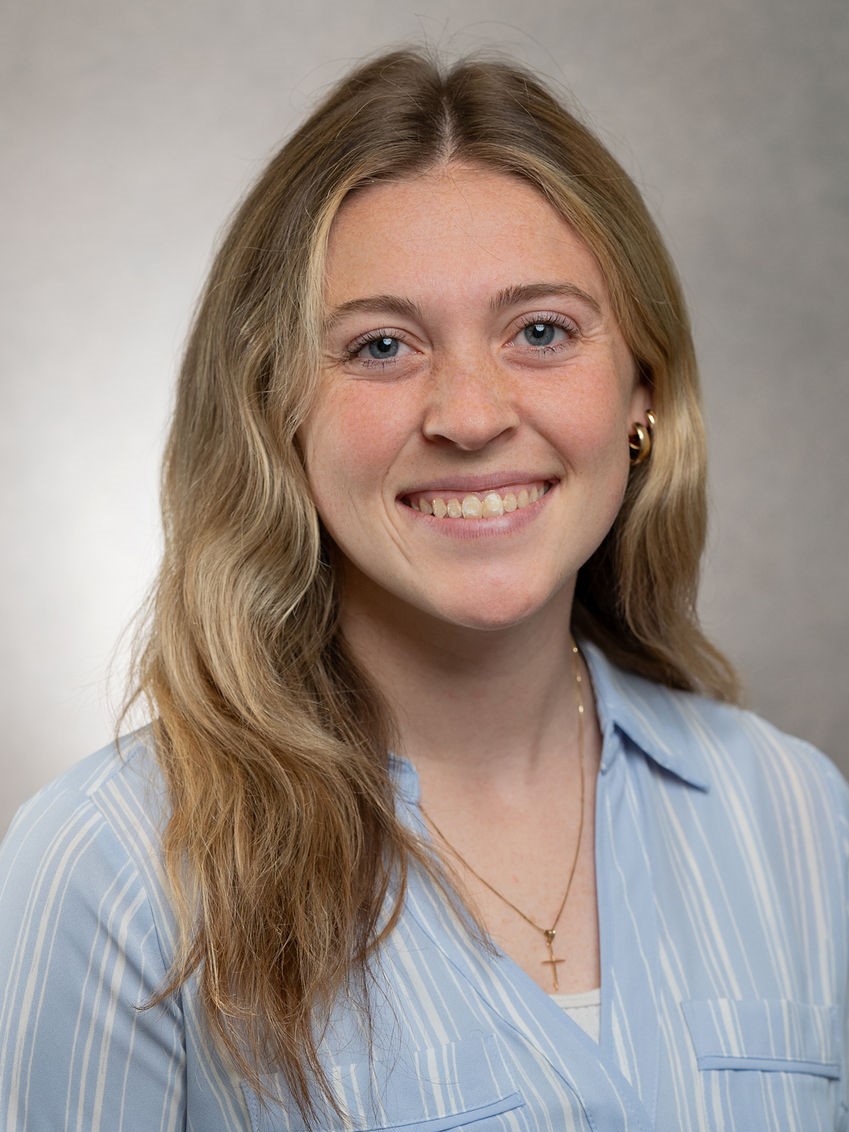
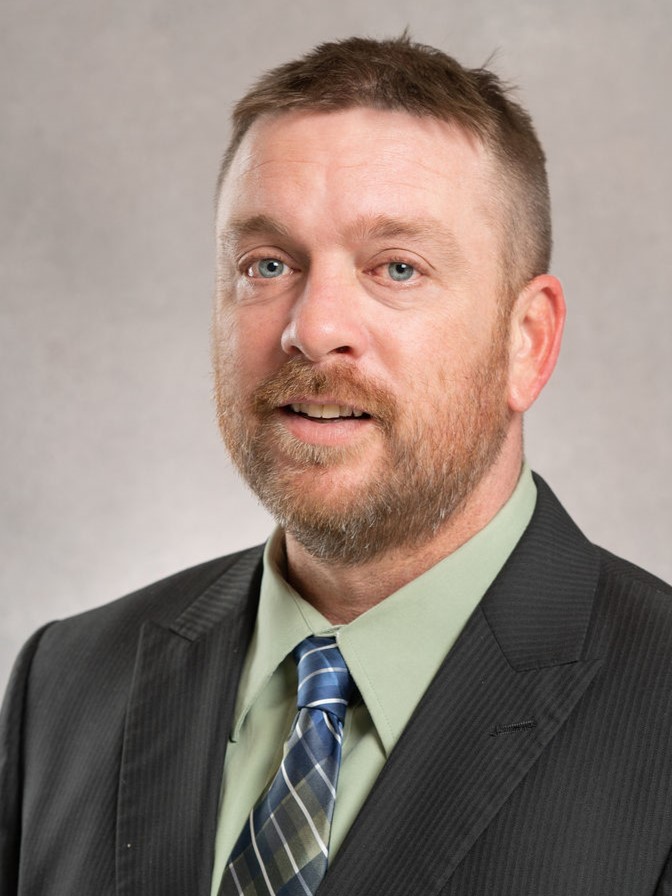
This week's Rudler Review is presented by Kacie Hamlett, Senior Accountant and Matt Topmiller, CPA.
If you would like to discuss your particular situation, contact Kacie or Matt at 859-331-1717.
As part of Rudler, PSC's commitment to true proactive client partnerships, we have encouraged our professionals to specialize in their areas of interest, providing clients with specialized knowledge and strategic relationships. Be sure to receive future Rudler Reviews for advice from our experts, sign up today !